
Crafting Calm: The Subtle Art of Leather Trays in Everyday Spaces
In the choreography of daily life, small objects often serve as silent anchors. A leather tray, resting on a desk or nestled by the entryway, offers more than just a place to colle...
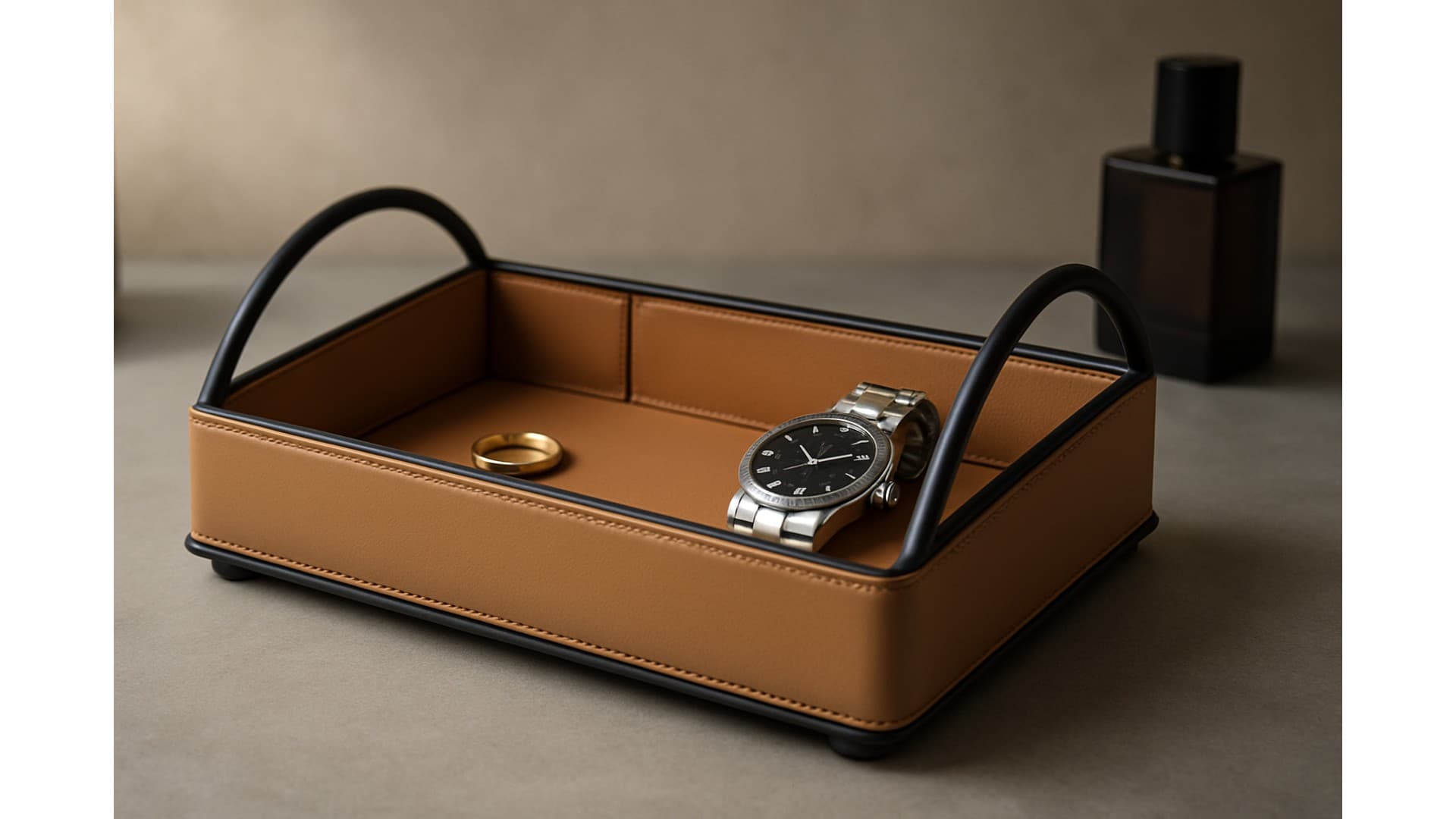
The Quiet Role of a Leather Tray
In the choreography of daily life, small objects often serve as silent anchors. A leather tray, resting on a desk or nestled by the entryway, offers more than just a place to collect keys or loose papers. It shapes moments of order and pause, inviting a mindful approach to how we interact with our belongings. Its presence is a quiet gesture toward intentionality, a reminder that even the simplest surfaces can cultivate calm.
Materiality: The Story Told by Leather
Genuine leather carries with it a narrative of natural origins and time-honored craft. Unlike synthetic alternatives, its texture evolves—softening, developing patina, and revealing subtle marks that speak to the life it accompanies. This living material invites a tactile relationship, encouraging touch and a deeper appreciation of everyday routines. The thickness, grain, and finish of the leather all contribute to a sensory experience that is both visual and physical, grounding the object in authenticity.
Craftsmanship and Finishing: Beyond the Surface
The refinement of a leather tray lies in the details that often go unnoticed but shape its longevity and presence. Hand-stitched edges, carefully burnished borders, and the choice of thread all reflect a commitment to enduring quality. These finishing touches not only enhance durability but also elevate the tray from a mere container to a considered design element. The balance between structure and softness is crucial—too rigid, and it loses warmth; too supple, and it risks losing form.
Design Thinking in Everyday Organization
Designing for daily use requires sensitivity to how objects fit within human habits and spatial rhythms. A leather tray’s dimensions, depth, and shape are calibrated to accommodate the small accumulations of life—coins, pens, cards—without overwhelming the surface it inhabits. Its edges create a subtle boundary, a visual cue that encourages tidiness and intentional placement. This gentle nudge toward order can transform clutter into curated calm.
Observations on Ritual and Space
- Leather trays often become the first and last touchpoints of the day, framing routines of arrival and departure.
- The patina that develops over time marks the passage of moments, turning an object into a repository of memory.
- Placement near natural light or on a wooden surface enhances the warmth and tactility of leather, enriching sensory experience.
- Its presence invites a slowing down, a deliberate act of setting down or picking up that punctuates the flow of tasks.
- The tray’s quiet elegance supports a minimalist aesthetic without sacrificing functional richness.
Reflecting on the Everyday and the Crafted
In a world often dominated by transient trends and disposable goods, the leather tray stands as a quiet testament to the value of craft and material integrity. It teaches us that beauty need not shout to be noticed; it can reside in the subtleties of texture, form, and function. By embracing these modest objects within our personal spaces, we invite a slower, more thoughtful rhythm—one where design and daily life intertwine with grace and purpose.