
How Thoughtful Welcome Trays Quietly Transform the Hotel Experience
Creating a sense of ease and intentionality in a hotel room begins with the small details. Among these, the humble welcome tray—often overlooked—plays a surprisingly significant role in shaping how guests feel the moment they step inside. F
Article
How Thoughtful Welcome Trays Quietly Transform the Hotel Experience
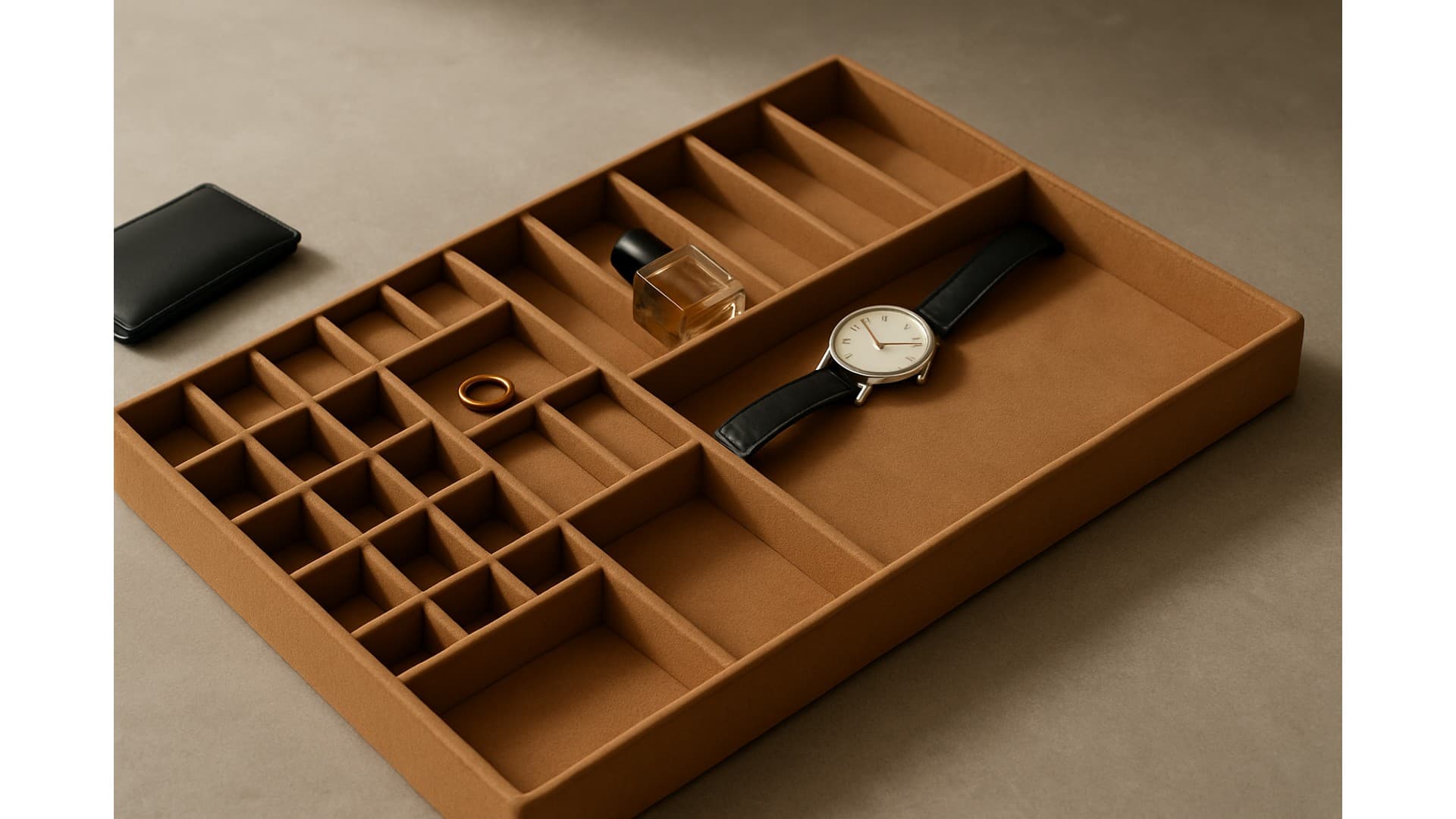
Creating a sense of ease and intentionality in a hotel room begins with the small details. Among these, the humble welcome tray—often overlooked—plays a surprisingly significant role in shaping how guests feel the moment they step inside. Far from mere surface decor, a carefully considered tray, crafted from soft, tactile materials and divided into thoughtful compartments, invites a subtle choreography of order and comfort that resonates throughout a stay.
The Subtle Language of Arrival
Arrival is a pivotal moment in hospitality. Guests come with luggage, keys, phones, and the quiet hope of a pause from the outside world. A multi-compartment tray, placed with care on a dresser or console, offers an unspoken invitation to unpack and settle. The soft texture of microfiber suede, for instance, contrasts with the often hard, impersonal surfaces of hotel furniture, creating a tactile welcome that soothes and reassures.
This simple gesture communicates attentiveness without words. It acknowledges the guest’s need for a small sanctuary—a place to momentarily lay down the day’s clutter and begin the ritual of transition from traveler to resident.
Organizing for Mindfulness and Flow
The segmented nature of these trays encourages a mindful approach to organization. Each compartment gently suggests a place for different items: wallets, watches, jewelry, keys, or even a phone. This subtle guidance supports guests in creating a moment of calm order amid the inevitable chaos of travel. It’s a quiet nudge toward presence and care.
Consider the ways this arrangement can influence habits:
- Encourages guests to remove and store items thoughtfully rather than tossing them on a surface.
- Reduces the anxiety of misplaced essentials by providing a dedicated spot.
- Invites a daily ritual of tidying that enhances the feeling of control in an unfamiliar space.
- Allows for easy visual inventory, reducing mental clutter.
- Supports a tactile connection through soft materials that contrast with the room’s harder edges.
This layering of function and sensory experience elevates the welcome tray beyond mere utility into a small but meaningful act of hospitality design.
Materiality and Sensory Experience
Material choices in everyday objects quietly shape how we experience a space. Microfiber suede, with its velvety softness and subtle matte finish, offers a tactile richness that feels personal and refined. Unlike cold metal or rigid plastic, such materials absorb and soften light, inviting touch and lingering.
The tray’s texture becomes a sensory anchor, grounding guests in the present moment. It transforms a simple act—setting down a watch or ring—into a pause, a breath, a moment of care. This subtle sensory dimension is often what distinguishes a transient hotel room from a temporary refuge.
Spatial Poetry: Defining Place Within Place
A welcome tray does more than organize; it defines a place within the larger room. By carving out a dedicated zone for personal effects, it creates a microcosm of order and intention. This spatial poetry helps guests orient themselves, offering a small but significant foothold in an otherwise unfamiliar environment.
In this way, the tray becomes a silent partner in hospitality, shaping the rhythms of arrival, rest, and departure. It supports the guest’s journey from outsider to insider, from visitor to inhabitant.
Reflecting on the Quiet Power of Small Gestures
In the grand architecture of travel and hospitality, it is often the small, thoughtful details that leave the most lasting impressions. A soft, multi-compartment organizer tray on a dresser top may seem modest, but it embodies a profound understanding of human behavior and spatial psychology.
It invites guests to slow down, to create order, and to connect with their surroundings through touch and ritual. Through such quiet attentiveness, the hotel experience becomes less about transient accommodation and more about a moment of genuine respite and welcome.
In the end, it is these subtle design choices—rooted in empathy and observation—that quietly elevate the everyday into something memorable.